Why Multiplayer RPG Games Are Revolutionizing Online Gaming Communities
In the ever-evolving world of online gaming, multiplayer RPG (Role-Playing Games) games are at the forefront of revolutionizing how communities interact and engage. Let’s explore why these games are becoming invaluable assets for gaming culture.
The Rise of Multiplayer RPG Games
Multiplayer RPG games have surged in popularity, offering unique experiences that impact player engagement. Unlike traditional single-player games, these allow players to connect, collaborate, or compete.
Embracing the Community Aspect
One of the key features of multiplayer RPGs is their community-building aspect. Players from different parts of the globe can unite for common goals, forming friendships that can last years. This has transformed the gaming experience into a social event.
Great Stories: The Heart of RPG Games
RPG games are known for their rich narratives, transporting players to expansive worlds filled with lore. These stories capture the imagination, but it’s the multiplayer aspect that enhances their depth.
When Stories Fail: Games with Great Stories but Bad Gameplay
- Some games, despite having compelling stories, struggle with gameplay mechanics.
- Players are often left frustrated, and this can lead to dissatisfactory community experiences.
- Understanding what makes a great multiplayer experience can help players choose better games.
The Role of Community Feedback
In any game, feedback from the community can drive improvements. Developers are increasingly paying attention to player experiences, making adjustments based on real-time communication.
Star Wars Influence: Game Informer Show and Beyond
Franchises like Star Wars have shown how successful RPGs can combine immersive storytelling with engaging gameplay. The Game Informer Show highlights numerous aspects of these games, including tips and strategies based on popular titles.
Enhancing Interaction Through Multiplayer Mechanics
Multiplayer mechanics offer various interactive experiences, from questing together to competing in arenas. These elements keep players coming back, eager for more.
Customization: Personal Expression in Roles
Multiplayer RPGs often allow extensive character customization. This enables players to express themselves, making their avatars reflections of their personalities.
From Friends to Guilds: Building Relationships
Players form alliances and guilds, moving beyond casual single-player experiences. These groups create tight-knit communities that thrive on collaboration.
Inclusive Worlds: Diverse Player Bases
Multiplayer RPGs often boast diverse player bases, promoting inclusivity. This aspect enables players from different cultures to share experiences, enhancing cultural discussions.
Technological Advances and Their Impact
With advances in technology, the multiplayer experience has evolved. New platforms and improved graphics make it easier for players to connect and stay engaged in these expansive virtual worlds.
Mobile Gaming: A New Frontier for Multiplayer RPGs
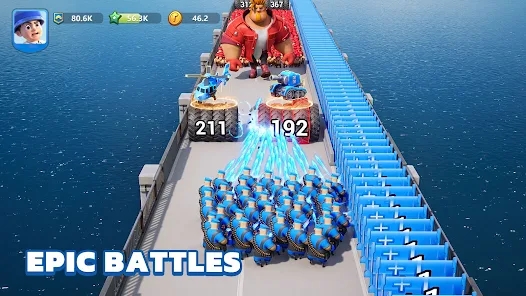
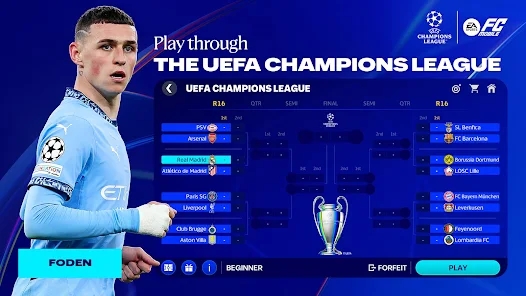
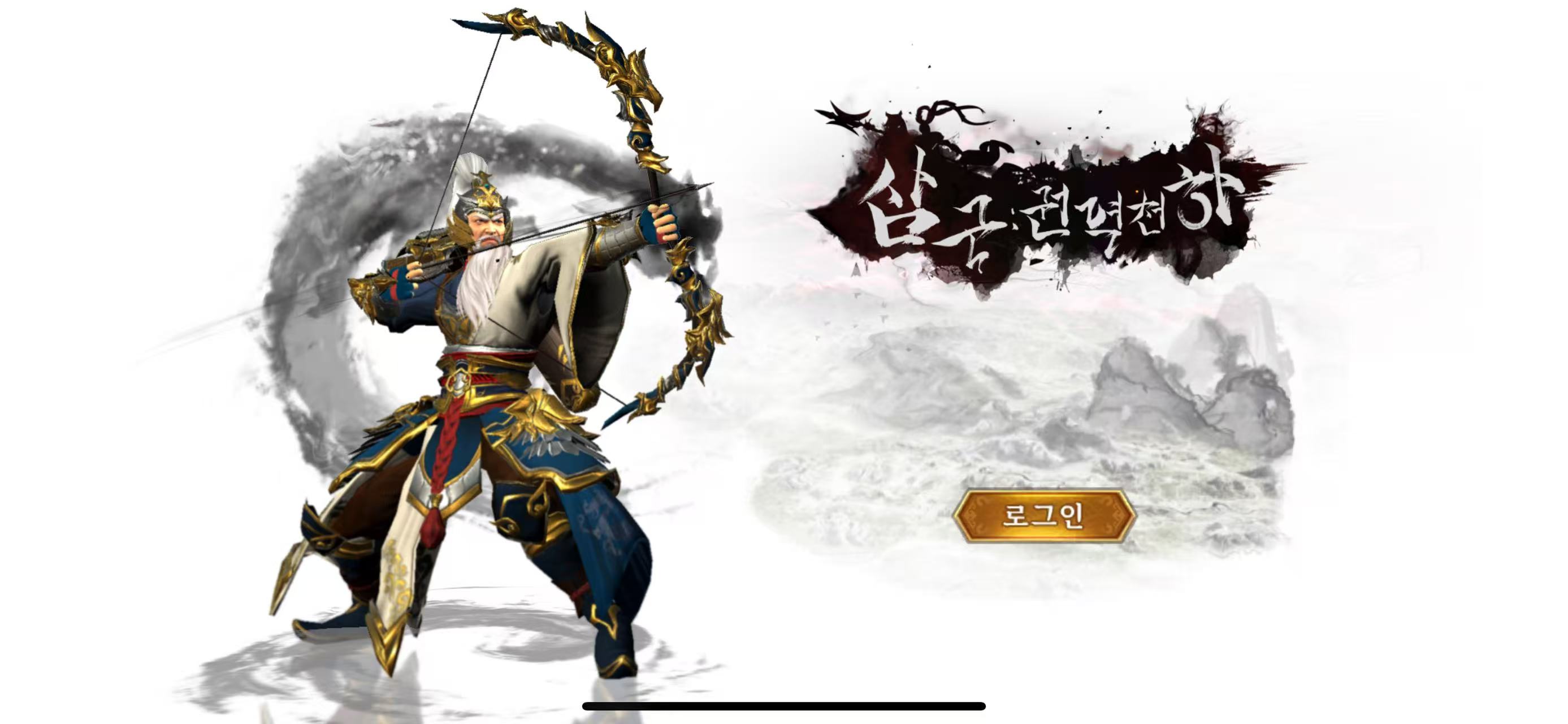
The rise of mobile gaming has further expanded the accessibility of multiplayer RPGs. Players can now connect from virtually anywhere, allowing for spontaneous gaming sessions.
Online Streaming and Its Influence on Communities
Streaming platforms have provided a way for players to share their experiences, learn from each other, and build communities around gaming content. This engagement propels the RPG genre into new audiences.
Player-Driven Economy: The Birth of In-Game Markets
Many multiplayer RPGs feature player-driven economies, where the community impacts pricing and trade. This not only deepens the gameplay but also emphasizes cooperation between players.
Conclusion: The Future of Gaming Communities
In summary, multiplayer RPG games are transforming online gaming communities in profound ways. By combining great stories, social interaction, and technological advancements, these games are redefining what it means to be a gamer today.











| Feature | Impact |
|---|---|
| Storytelling | Captivates players |
| Community Support | Fosters collaboration |
| Feedback Mechanisms | Drives game improvement |
| Diversity | Enhances cultural connections |